Low-Profile Watering for High-Traffic Gardens
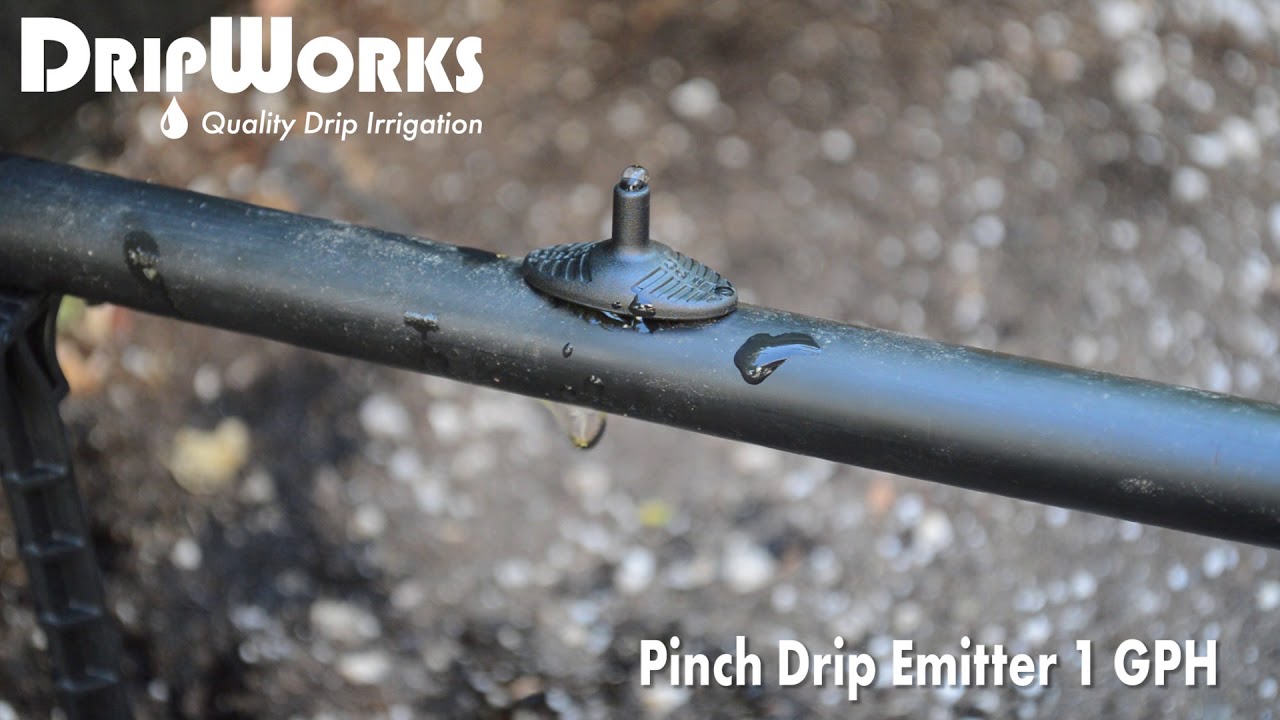
The Pinch Drip Emitter provides reliable, point-source watering with a unique low-profile design. Engineered to lay completely flat against your 1/2" mainline tubing, these emitters resist getting snagged, knocked off, or damaged by garden tools and foot traffic. Featuring a simple finger-and-thumb installation process, they are perfect for quick setups in container gardens, patio pots, and crowded landscape beds.
Despite their small size, Pinch Drip Emitters are packed with professional-grade features. A built-in inlet filter and a self-flushing turbulent flow path work together to minimize blockages, while an integrated insect baffle prevents pests from nesting in the outlet. Built with UV-stabilized materials, they ensure long-lasting performance season after season.
Why Choose the Pinch Drip Emitter?
- Low-Profile Design: Lays flat against the tubing, dramatically reducing the risk of accidental damage from rakes, hoses, or pets.
- Self-Flushing Action: Features a turbulent flow path that continually clears small debris during operation to prevent clogging.
- Dual Protection: Equipped with a built-in inlet barb filter to catch sediment, plus an insect baffle on the outlet.
- Easy Installation: Designed specifically for tool-free "finger or thumb" insertion once your tubing hole is punched.
- Durable Construction: Long-life UV-stabilized plastics resist degradation from harsh, direct sunlight.
Technical Specifications
Detailed specifications for system planning.
| Specification |
Details |
| Product Type |
Point-Source Drip Emitter |
| Inlet Connection |
1/4" Barb (Colored Side) |
| Outlet Connection |
1/4" Nipple (Black Side) |
| Operating Pressure Range |
15 to 45 PSI |
| Flow Type |
Turbulent Flow (Self-Flushing) |
| UV Stabilized |
Yes |
How to Install: A Step-by-Step Guide
Installing the Pinch Drip Emitter is quick and requires no special insertion tools.
Step 1: Punch the Hole
Using a standard irrigation hole punch (like the Key Punch or Pocket Punch), create a hole directly into your 1/2" or 3/4" mainline tubing where you want to place the emitter.
Step 2: Identify the Inlet
Locate the colored side of the Pinch Drip Emitter. This colored barb contains the built-in filter and is the water inlet that goes into the tubing.
Step 3: Insert the Emitter
Squeeze the emitter firmly between your thumb and forefinger. Push the colored barb into the punched hole until you hear or feel a "snap," confirming it is locked in place.
Step 4: Attach Micro Tubing (Optional)
If your plant is further away from the mainline run, you can push a piece of 1/4" micro tubing onto the black outlet nipple to deliver water precisely to the plant's root zone.
Frequently Asked Questions
What sizes of tubing can I connect the Pinch Drip Emitter to?
The Pinch Drip Emitter pushes directly into 1/2 inch or 3/4 inch mainline tubing using a standard hole punch. You can also connect it to the end of 1/4 inch micro tubing for targeted watering.
Its flat design makes it exceptionally useful on mainline runs where traditional top-heavy emitters might get bumped or dislodged.
How does the self-flushing feature on the Pinch Drip Emitter work?
The Pinch Drip Emitter uses a turbulent flow design that continuously clears small debris during operation. Additionally, the built-in inlet filter helps prevent larger particles from entering the device.
While the emitter has great internal protections, we always recommend installing a main system water filter at your faucet to ensure maximum longevity for all your drip components.
As I expand my garden this spring, can I add more Pinch Drip Emitters to my existing line?
Yes! You can easily add a new Pinch Drip Emitter anywhere along your existing 1/2 inch or 3/4 inch mainline tubing. Simply use a hole punch and push the colored barb directly into the line.
Spring is the perfect time to adjust your system for new plantings. Because they are point-source emitters, you only place them exactly where you need water, making system expansion incredibly simple without having to cut the pipe.
Which direction do I install the Pinch Drip Emitter?
The Pinch Drip Emitter is one-directional. You must always insert the colored side, which features the built-in filter, into your mainline or micro tubing. The black side is the water outlet.
Because of the ergonomic shape, squeezing the emitter between your thumb and finger allows you to easily pop the colored barb into a pre-punched hole without using specialized insertion tools.
✔ Compatibility Check
Please note the requirements for this component:
- Orientation matters: The colored side is the barb inlet and must be pushed into the tubing.
- Pressure limits: This emitter operates between 15 and 45 PSI. A pressure regulator is required at your water source.
- Hole Punch required: To install directly into 1/2" or 3/4" mainline, you must use an irrigation hole punch.
Complete Your System
Ensure your installation goes smoothly with these recommended products:
- 1/2" Mainline Tubing: The standard water delivery line that these emitters punch directly into.
- Pocket Punch: The essential tool for creating perfectly sized holes in your mainline tubing.
- 1/4" Micro Tubing: Use this to extend water from a transfer barb to the Pinch Drip Emitter located right at the base of your plant.
- Goof Plugs: Always keep a pack on hand to seal accidental holes or locations where you remove an old emitter.
Downloads
Relevant Tips & Guides